
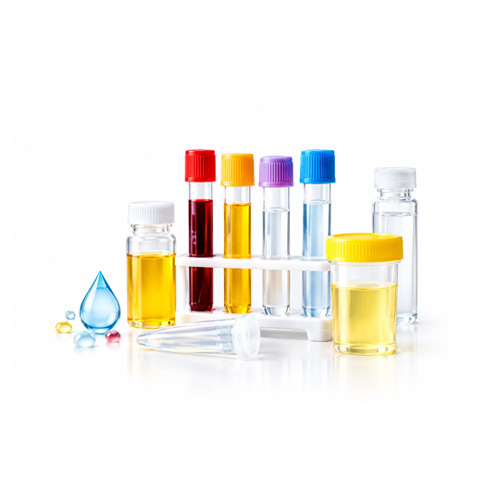
Specibio Mouse BALB/c Plasma – Lithium Heparin, pooled. Pack size: 50 ml.
This animal plasma provides a blood-derived liquid matrix for analytical and biomarker research.
It can be used to develop species-matched bioanalytical methods for preclinical research.
Pooled material combines contributions from multiple donors for studies using a composite matrix.
Heparin may interfere with some molecular assays. Confirm compatibility with the intended method.
For research use only. Not for diagnostic or therapeutic use.
Specifications:
This product is whole blood derived. The whole blood is collected from donors in an USDA-approved or similar certified collection center.
Please note that this product does not allow for donor requests off-the-shelf, but custom specified lots to your exact specifications can be made available upon requests. Contact us for details & pricing.
Application:
? LC-MS/MS method development for drugs and metabolites.
? Matrix-effect, extraction-recovery and sample-preparation evaluation.
? Exploratory protein and metabolite biomarker analysis.
? Preparation of spiked research samples after endogenous analyte assessment.
? Suitability must be verified for the specific assay and lot.
Viral Testing:
This product is of animal origin and is not screened for human blood-borne viral markers. Refer to the lot Certificate of Analysis for any animal-health or testing information provided by the supplier. Handle as potentially infectious material and follow universal precautions (WHO, CDC and OSHA guidance) when working with biological materials.
Product Handling:
– Preheat a water bath to 37 Deg Celsius.
– Place the frozen plasma sample directly in the water bath.
– Gently agitate the plasma sample every 5-10 minutes to ensure even thawing.
– The total thawing time will depend on the frozen sample volume. A 10 ml sample may thaw completely in 5 minutes, but a large sample could take up to 1 hour.
– The thawed sample should be used immediately or stored at 4 C for up to 24 hours. Liquid plasma should never be kept on ice or stored below 0 C as the cold may cause clotting.
– Plasma should be visually inspected for signs of clotting or precipitation before use in experiments.
– Plasma should always be snap-frozen by placing the tube in dry ice for at least 1 hour. Large containers can be covered in dry ice for even freezing.
– Frozen plasma should be stored at ?20 C or colder. Lower temperatures will help preserve labile plasma proteins for longer time periods.